

Introduction
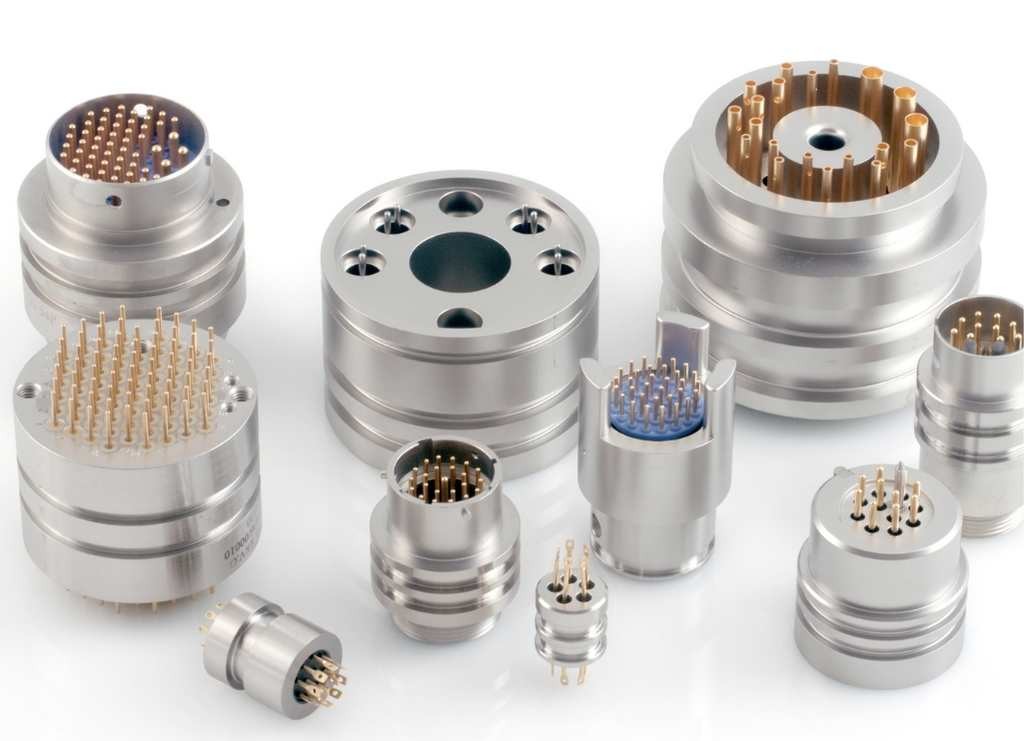
Modern electronic systems are becoming increasingly sophisticated, requiring higher levels of reliability, durability, and environmental protection than ever before. Industries such as aerospace, defense, medical technology, semiconductor manufacturing, telecommunications, and energy production all rely on electronic systems that must perform consistently in challenging environments. In these applications, hermetic seals and hermetic connectors play a critical role in ensuring system integrity and long-term performance.
High-performance hermetic connectors provide secure electrical connections while maintaining an airtight barrier against moisture, gases, contaminants, and pressure variations. When properly integrated into system designs, they help protect sensitive electronics from environmental threats that could otherwise lead to failure. Companies such as PAVE Technology have become recognized for developing advanced hermetic solutions that support the demanding requirements of mission-critical applications.
Understanding the Role of Hermetic Connectors
Before designing any system that incorporates hermetic technology, it is important to understand the function of hermetic connectors. Unlike standard connectors, which primarily focus on electrical connectivity, hermetic connectors are designed to maintain environmental isolation while transmitting power, signals, or data.
A hermetic connector works together with hermetic seals to create a protected interface between different environments. This capability is especially important when sensitive electronics must operate within sealed enclosures, vacuum chambers, or harsh environmental conditions. The connector becomes a critical component in preserving system integrity while ensuring uninterrupted electrical performance.
Environmental Requirements Drive Design Decisions
One of the first considerations when designing systems with hermetic connectors is understanding the operating environment. Different applications expose electronic systems to different challenges, including moisture, pressure, vibration, chemicals, radiation, and extreme temperatures.
Aerospace systems may experience vacuum conditions and rapid thermal cycling, while medical devices must withstand exposure to bodily fluids. Semiconductor manufacturing equipment often operates within highly controlled vacuum environments, and industrial systems may be exposed to corrosive chemicals or high humidity.
Understanding these environmental factors helps engineers select the most appropriate hermetic sealing and connector solutions for long-term reliability.
Integrating Hermetic Seals into System Architecture
Effective system design requires careful integration of hermetic seals throughout the overall architecture. A hermetic connector alone cannot provide complete environmental protection if other areas of the system remain vulnerable to leakage or contamination.
Engineers must evaluate enclosure designs, feedthrough locations, mounting interfaces, and sealing surfaces to ensure complete environmental isolation. Every potential entry point for moisture, gases, or contaminants must be addressed. When hermetic seals and connectors are integrated as part of a comprehensive design strategy, they create a robust barrier that protects sensitive electronics throughout the system’s lifecycle.
Material Selection and Performance Considerations
Material selection is one of the most important aspects of designing systems with hermetic technology. The materials used in hermetic connectors and seals directly affect durability, thermal performance, corrosion resistance, and electrical characteristics.
Stainless steel is commonly used because of its strength and corrosion resistance. Titanium offers excellent durability while reducing overall system weight, making it ideal for aerospace and medical applications. Ceramics provide exceptional electrical insulation and thermal stability, while specialized glass materials create reliable hermetic sealing interfaces.
Companies such as PAVE Technology utilize advanced material engineering to ensure that hermetic connectors perform reliably under demanding operating conditions.
Managing Temperature Extremes
Temperature fluctuations can create significant challenges for electronic systems. Materials expand and contract as temperatures change, potentially placing stress on seals and electrical connections. If not properly managed, thermal stress can lead to cracking, leakage, or performance degradation.
When designing systems with hermetic connectors, engineers must consider thermal expansion compatibility between materials. Proper design techniques help minimize stress concentrations and maintain seal integrity throughout repeated temperature cycles. This is particularly important in aerospace, defense, and industrial applications where temperature extremes are common.
Ensuring Electrical Performance
While environmental protection is essential, hermetic connectors must also deliver excellent electrical performance. Engineers must evaluate factors such as voltage requirements, current capacity, signal integrity, insulation resistance, and electromagnetic compatibility.
Modern electronic systems often require high-speed data transmission and precise signal communication. Connector designs must support these requirements while maintaining hermetic integrity. Proper conductor spacing, shielding techniques, and insulation materials all contribute to reliable electrical performance.
High-performance hermetic connectors are specifically engineered to balance environmental protection with demanding electrical requirements.
Designing for Vibration and Mechanical Stress
Many mission-critical systems operate in environments where vibration and mechanical shock are unavoidable. Aircraft, military vehicles, industrial machinery, and space systems all expose electronic components to significant mechanical forces.
Hermetic connectors must be capable of maintaining both electrical continuity and environmental isolation under these conditions. Engineers often incorporate reinforced mounting systems, durable housing materials, and vibration-resistant designs to ensure long-term reliability.
By addressing mechanical stresses during the design phase, manufacturers can significantly improve system durability and reduce the risk of connector-related failures.
Supporting Vacuum and Pressure Applications
Vacuum environments present unique challenges that require specialized hermetic solutions. Semiconductor fabrication equipment, scientific instruments, and aerospace systems often operate under vacuum conditions where even microscopic leaks can compromise performance.
Hermetic connectors help maintain vacuum integrity while allowing electrical connections to pass through sealed barriers. Similarly, high-pressure applications require connectors that can withstand significant pressure differentials without leakage.
Designing for these environments requires careful attention to sealing methods, material selection, and structural strength to ensure reliable long-term performance.
Reliability Through Testing and Validation
High-performance systems require extensive testing to verify connector performance before deployment. Designers must consider testing requirements during the development process to ensure compliance with industry standards and operational expectations.
Helium leak testing is commonly used to verify hermetic integrity. Thermal cycling evaluates performance under changing temperatures, while vibration and shock testing assess mechanical durability. Electrical testing confirms conductivity, insulation resistance, and signal quality.
These validation procedures help ensure that hermetic connectors and seals can perform reliably throughout their intended service life.
Industry Applications for Hermetic Connector Systems
The versatility of hermetic connectors allows them to support a wide range of industries. Aerospace systems depend on them for avionics, communication equipment, and satellite electronics. Defense applications use hermetic technology to protect mission-critical systems from environmental exposure.
Medical devices rely on hermetic connectors to safeguard sensitive electronics inside implantable devices and diagnostic equipment. Semiconductor manufacturers use them to maintain contamination-free environments, while energy and industrial sectors depend on them for reliable operation in demanding conditions.
The broad range of applications demonstrates the importance of incorporating hermetic technology into system design.
The Contribution of PAVE Technology
As electronic systems become increasingly advanced, companies such as PAVE Technology continue to provide innovative solutions that support evolving industry requirements. Their expertise in hermetic seals and hermetic connectors enables engineers to develop systems capable of operating reliably in some of the world’s most challenging environments.
Through precision manufacturing, advanced material selection, and rigorous testing procedures, PAVE Technology helps customers achieve the reliability, durability, and performance required for mission-critical applications.
Future Design Trends
Future system designs will continue to push hermetic connector technology toward greater performance and efficiency. Trends such as miniaturization, higher data transmission rates, increased automation, and advanced medical technologies will create new requirements for hermetic solutions.
Engineers will focus on developing smaller connectors with higher contact density, improved materials, and enhanced environmental protection capabilities. These innovations will help support the next generation of aerospace systems, semiconductor equipment, medical devices, and industrial technologies.
Conclusion
Designing systems with high-performance hermetic connectors requires a comprehensive approach that considers environmental conditions, material selection, electrical requirements, mechanical stresses, and long-term reliability. When combined with advanced hermetic seals, these connectors provide the environmental protection necessary to support mission-critical applications across numerous industries.
As technology continues to evolve, hermetic connectors will remain essential for ensuring system integrity and operational success. Through ongoing innovation and engineering excellence, companies such as PAVE Technology are helping shape the future of reliable electronic system design by delivering solutions that meet the highest standards of performance and durability.