

Introduction
In today’s real estate industry, speed, efficiency, and market demand play a major role in how homes are developed and sold. One of the most effective models used by builders is spec homes, which are constructed without a specific buyer in mind. Instead, developers build these homes based on market trends, neighborhood demand, and buyer preferences, aiming to sell them quickly once completed.
Understanding the step-by-step process behind spec home development helps explain why this model has become so popular among builders and investors. It also highlights how financing platforms like builderfinance.com support developers in bringing these homes to market efficiently.
Step 1: Market Research and Feasibility Study
The first stage in building spec homes is thorough market research. Developers analyze housing demand, pricing trends, population growth, and neighborhood development. This helps them identify areas where homes are likely to sell quickly and at profitable prices.
A feasibility study is also conducted to estimate costs, potential profit, and risks. Builders evaluate whether the project is financially viable before making any investment decisions. This step is crucial because spec homes are built without confirmed buyers, so accurate market understanding reduces financial risk.
Step 2: Land Selection and Acquisition
Once a profitable market is identified, the next step is selecting the right land. Location plays a major role in the success of spec homes. Developers typically look for areas with strong infrastructure, good schools, transportation access, and future growth potential.
After identifying suitable land, the developer purchases it as an investment. The value of the land directly affects the final selling price of the homes. Choosing the right location increases the chances of quick sales once construction is complete.
Step 3: Planning and Home Design
After securing land, developers move into the planning and design phase. Since spec homes are not customized for individual buyers, builders focus on designs that appeal to a broad market.
Architects create layouts that include:
- Open floor plans
- Modern kitchens
- Energy-efficient systems
- Functional storage spaces
- Neutral interior designs
The goal is to create homes that are visually appealing and practical for most buyers. Builders often use previous sales data and market trends to finalize design choices.
Step 4: Securing Financing
Financing is one of the most important parts of spec home development because builders must cover land, construction, and labor costs upfront. Many developers rely on construction loans or specialized funding solutions to start and complete projects.
Platforms like builderfinance.com play an important role in this stage by offering financial support tailored for builders. With proper funding, developers can avoid delays, manage cash flow efficiently, and continue building multiple projects at once. This financial stability is essential for successful spec home development.
Step 5: Permits and Approvals
Before construction begins, builders must obtain all necessary permits and approvals from local authorities. This includes zoning approvals, building permits, and environmental clearances.
This step ensures that the project complies with local building regulations and safety standards. Without proper approvals, construction cannot legally begin. Developers often work closely with architects and engineers to ensure all documentation is in place.
Step 6: Site Preparation and Foundation Work
Once approvals are secured, the construction site is prepared. This involves clearing the land, leveling the ground, and setting up utility connections.
After preparation, the foundation is laid. The foundation is one of the most important parts of spec homes because it determines the structural strength of the entire building. Engineers ensure that the foundation is strong, durable, and suitable for the soil conditions of the area.
Step 7: Construction of the Structure
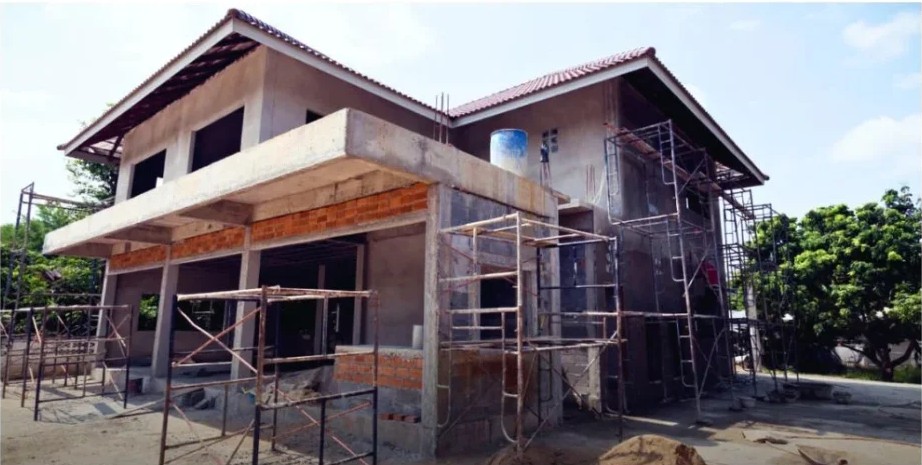
After the foundation is complete, the main structure of the home is built. This includes framing walls, roofing, and installing basic structural components.
During this phase, builders also install plumbing, electrical wiring, and HVAC systems. Quality control is important at every stage to ensure that the home meets safety standards and construction requirements.
Spec homes are typically built using efficient construction methods to reduce time without compromising quality.
Step 8: Interior Work and Finishing
Once the structure is complete, interior work begins. This includes flooring, painting, cabinetry, lighting, and fixture installation.
Developers choose modern and neutral finishes to attract a wide range of buyers. Common features in spec homes include:
- Hardwood or laminate flooring
- Modern kitchen cabinets
- Energy-efficient lighting
- Stylish bathroom fixtures
- Neutral wall colors
The goal is to create a clean, attractive, and move-in-ready appearance.
Step 9: Final Inspection and Quality Checks
Before listing the home for sale, a detailed inspection is carried out. Builders check for construction defects, safety issues, and finishing quality.
Local authorities may also conduct inspections to ensure compliance with building codes. Any issues identified during this stage are fixed before the home is made available to buyers.
This step ensures that spec homes meet quality standards and are ready for immediate occupancy.
Step 10: Marketing and Listing for Sale
Once construction is complete, the property is listed for sale. Developers use real estate agents, online platforms, and marketing campaigns to attract buyers.
Spec homes are often marketed as move-in-ready properties, which is a major selling point. High-quality photos, staging, and location highlights are used to increase interest.
Since these homes are already built or near completion, buyers can make quick purchasing decisions without long waiting periods.
Step 11: Sale and Closing Process
When a buyer is found, the sale process begins. This includes price negotiation, contract signing, and legal documentation.
Once the sale is completed, the builder repays construction loans and finalizes project accounts. The remaining profit is realized, marking the successful completion of the spec home project.
Conclusion
The development of spec homes is a carefully planned and structured process that involves market research, financing, construction, and strategic marketing. Each step plays a crucial role in ensuring that the final product meets buyer expectations and sells quickly in the market.
With strong financial support from platforms like builderfinance.com, developers can efficiently manage multiple projects, reduce financial risks, and deliver high-quality homes. As demand for ready-to-move-in housing continues to grow, spec homes remain a key part of modern real estate development.