

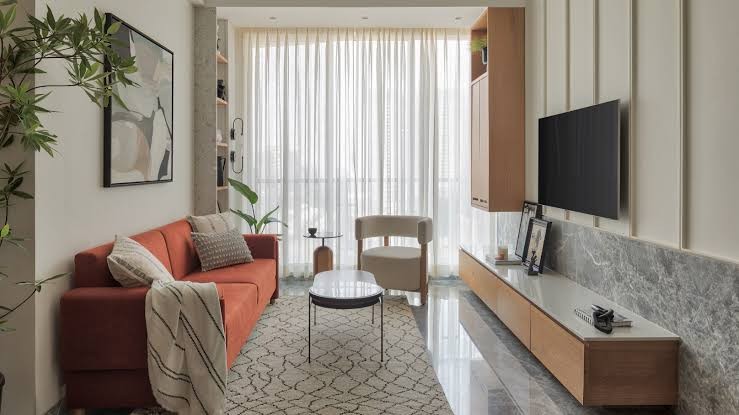
A busy household rarely has as much room as it needs. Backpacks, shoes, toys, laundry, and homework all compete for the same few square feet, and the furniture has to do double duty. The good news is that a smart layout and the right pieces can make a small home feel organized, open, and comfortable.
As you shop, it helps to hear how other families have fared. Reading Coleman furniture reviews can help you gauge how well pieces perform in real homes, including those where space is tight. Here is how to get the most from every square foot.
Measure First, Then Measure Again
In a small space, a few inches can decide whether a piece fits or feels cramped. Before you buy:
- Measure the room, including alcoves, windows, vents, and outlets.
- Measure the path furniture must take to get inside, including doorways, hallways, and stairs.
- Leave walking room. Aim for clear paths through the room, especially near doors.
- Mark the footprint. Use painter’s tape on the floor to see how a piece will feel in the space.
Choose Furniture That Does Two Jobs
Multipurpose pieces are the secret weapon of small homes.
- Storage ottomans: Seating, a footrest, and a place to hide blankets and toys.
- Beds with drawers: Extra storage for clothes and linens without adding another dresser.
- Extendable dining tables: Compact for daily meals, bigger for holidays and guests.
- Console tables with shelves: An entry catch-all for keys, mail, and shoes.
- Benches with cubbies: Seating plus storage for backpacks and boots.
Go Vertical
When floor space runs out, look up. Tall, narrow furniture uses wall space instead of floor space.
- Bookcases and shelving: Hold books, baskets, and decor without taking up much floor.
- Wall-mounted shelves: Keep surfaces clear and give kids a place for their things.
- Loft and bunk beds: Free up the floor for play or study.
Always anchor tall furniture to the wall, especially in homes with young children.
Pick Smaller-Scale Pieces
Oversized furniture can overwhelm a small room. Look for sofas with slimmer arms, tables with open legs, and chairs that tuck under a table when not in use. Pieces that sit on raised legs let you see the floor beneath, which helps a room feel larger.
Use Light and Color to Open Things Up
Lighter colors reflect more light and make a room feel more spacious. Mirrors, glass-topped tables, and well-placed lamps help too. You do not have to avoid color, but keeping large pieces neutral and adding color through pillows and art keeps things flexible.
Give Everything a Home
Clutter is the biggest enemy of a small space, and families with kids generate plenty of it. A few habits help.
- Baskets and bins: Open storage is easy for kids to use and easy to tidy.
- Hooks at kid height: Coats and bags stay off the floor.
- A weekly reset: Ten minutes of tidying keeps things manageable.
- One in, one out: When something new comes in, something old moves on.
For more practical organizing ideas, Real Simple is a reliable source of everyday home tips.
Create Zones
Even in a single room, you can define areas for different activities. A rug under the sofa marks the living area, a small table near a window becomes a homework spot, and a bookshelf can act as a gentle divider. Zones help everyone know where things belong and make the room feel more intentional.
Think About Durability
In a small home, every piece works hard. Look for sturdy frames, tough fabrics, and finishes that stand up to daily use. A piece that needs to be replaced after a year costs more in the long run, and it adds stress you do not need.
Small Space, Big Comfort
A compact home can still feel generous. With careful measuring, multipurpose pieces, and smart storage, you can fit a growing family into a space that works for everyone. The goal is not to have more room, but to use the room you have more thoughtfully.