

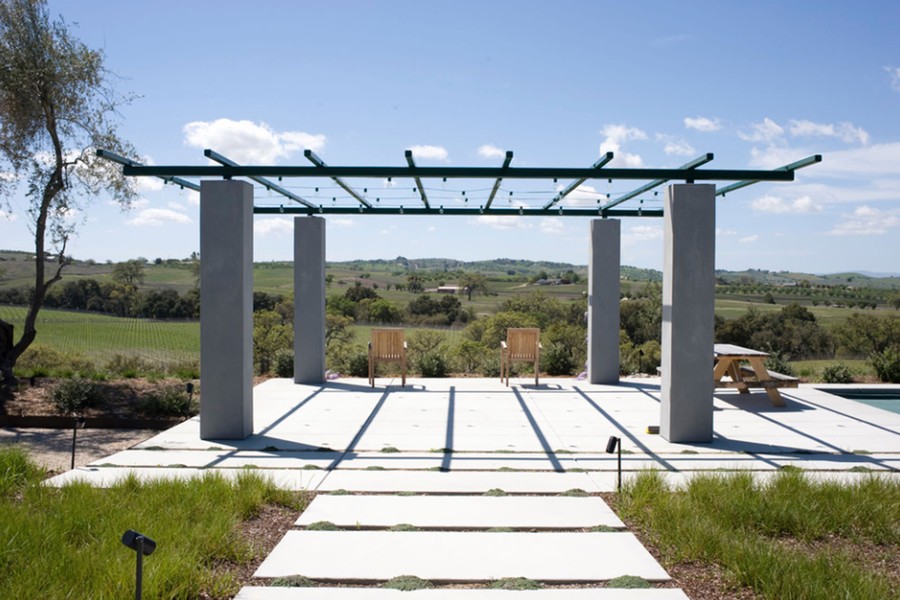
When planning to build an outdoor structure—be it a deck, pergola, gazebo, or garden shed—selecting the right materials is crucial for longevity, performance, and aesthetics. Outdoor environments expose structures to harsh elements such as sun, rain, wind, and temperature fluctuations. Therefore, choosing materials that can withstand these conditions ensures that your investment remains sturdy and attractive for years to come. Here are the top materials for constructing durable outdoor structures, with a special focus on quality hardwood lumber.
Quality Hardwood Lumber
Among all building materials, quality hardwood lumber stands out for its exceptional durability and timeless appeal. Hardwoods such as teak, Ipe, mahogany, and white oak are naturally resistant to decay, insects, and moisture. Their dense grain structure makes them less prone to warping or cracking, which is essential for outdoor use. When properly maintained with sealants or oils, hardwood lumber can last for decades, making it a preferred choice for decks, benches, and pergolas. The warm, natural tones of hardwood also add a touch of elegance to any outdoor space.
Pressure-Treated Wood
Pressure-treated wood is another popular material for outdoor structures. It is typically made from softwoods like pine that are treated with preservatives to resist rot, fungi, and insect damage. While not as naturally resilient as quality hardwood lumber, pressure-treated wood offers a more budget-friendly option and can last 15-20 years with regular maintenance. It is important to use corrosion-resistant fasteners with this material to prevent rust and ensure structural integrity.
Composite Materials
Composite decking and structural boards are engineered from a mix of wood fibers and recycled plastic. These materials are designed to mimic the appearance of real wood while offering increased resistance to moisture, fading, and insects. Composite materials require little maintenance beyond occasional cleaning and are less likely to splinter or crack. While the initial cost may be higher than traditional wood, their longevity and minimal upkeep make them an excellent investment for outdoor projects.
Metal (Aluminum and Steel)
For structures like pergolas, fences, and framing, metal materials such as aluminum and galvanized steel provide outstanding strength and weather resistance. Aluminum is lightweight, rust-proof, and requires minimal maintenance, while galvanized steel is extremely durable and can support larger structures. Both metals can be powder-coated in various colors to match your outdoor design.
Stone and Masonry
Stone, brick, and concrete block are ideal for outdoor kitchens, fire pits, and retaining walls. These materials are impervious to weather, insects, and fire, ensuring a lifetime of service with minimal maintenance. Incorporating stone into your design adds a sense of permanence and classic beauty to your landscape.
Conclusion
Selecting the right materials is the foundation of a successful, long-lasting outdoor structure. While options like pressure-treated wood, composites, metals, and masonry each offer unique benefits, nothing quite matches the enduring strength and beauty of quality hardwood lumber. Investing in top-grade materials may have a higher upfront cost, but it pays dividends in longevity, reduced maintenance, and lasting curb appeal for your home.