

Modern interior spaces are no longer defined only by flooring and wall finishes; ceiling design has become equally important in shaping comfort, lighting, and visual appeal. A well-planned ceiling enhances spatial balance while improving the overall living experience. The demand for the best false ceiling continues to grow as homeowners and designers look for solutions that combine durability with modern aesthetics. These systems contribute not only to style but also to insulation, lighting control, and acoustic comfort in interiors.
1. Evolution of Ceiling Design in Modern Interiors
Ceiling design has moved far beyond simple plastered surfaces. Today, it is an essential design element that enhances both function and appearance in residential and commercial environments.
- Shift from Basic Finishes to Design Elements
Earlier ceilings were plain and purely functional, but modern interiors use them as decorative focal points. Designers now incorporate patterns, layers, and textures to enhance visual appeal and interior depth. - Integration of Lighting Features
Modern ceiling systems support recessed lighting, LED strips, and indirect lighting designs. This improves brightness distribution and creates ambient effects that elevate the overall atmosphere of a space. - Improved Acoustic Performance
Contemporary ceiling designs help reduce noise levels by absorbing sound reflections. This makes interiors more peaceful and comfortable, especially in offices, homes, and hospitality environments. - Flexible Architectural Applications
Modern ceiling materials allow designers to experiment with curved shapes, multi-level structures, and customized patterns, offering greater creative freedom in interior planning.
2. Role of Modern Ceiling Materials in Interior Strength
The durability and performance of a ceiling depend heavily on the materials used during installation. High-quality materials ensure stability, longevity, and consistent performance under different conditions.
- Structural Stability and Strength
Reliable ceiling materials provide strong support and prevent sagging or deformation over time. This ensures long-term durability even in large interior spaces. - Thermal Comfort Improvement
Advanced materials help regulate indoor temperatures by reducing heat transfer between floors and ceilings. This contributes to better energy efficiency and indoor comfort. - Design Versatility
Modern materials allow for various design possibilities, including textured surfaces and layered structures that enhance the visual appeal of interiors. - Low Maintenance Requirements
High-quality ceiling systems require minimal maintenance and retain their finish for long periods, reducing repair frequency and long-term costs.
3. POP and Gypsum-Based Ceiling Applications
In modern construction, POP and gypsum-based systems are widely used due to their flexibility, smooth finish, and design adaptability. These materials support both decorative and functional ceiling applications.
- Smooth and Seamless Finish
In modern interior construction, ceiling design plays a major role in both aesthetics and functionality. The use of pop gypsum false ceiling has become increasingly popular due to its smooth finish, flexibility in design, and ability to enhance lighting effects. It allows designers to create layered and decorative patterns that elevate the overall look of interiors while maintaining structural balance. - Creative Design Possibilities
These materials allow architects and designers to experiment with curves, patterns, and multi-level ceiling layouts, offering a wide range of customization options for modern interiors. - Fire and Moisture Resistance
Gypsum-based systems offer natural resistance to fire and moisture, making them a safer and more durable option for both residential and commercial spaces. - Quick and Efficient Installation
These systems are lightweight and easy to install, allowing faster project completion without compromising quality or structural integrity.
4. Comfort Enhancement Through Ceiling Design
Modern ceilings are designed not only for aesthetics but also to improve indoor comfort. They contribute to better lighting, temperature balance, and sound control within interior spaces.
- Improved Temperature Regulation
Ceiling insulation helps maintain a stable indoor climate by reducing heat gain in summer and heat loss in winter, improving energy efficiency. - Optimized Lighting Effects
Smart ceiling layouts distribute light evenly across rooms, reducing glare and improving visual comfort for occupants. - Noise Reduction Benefits
Acoustic ceiling designs absorb sound waves, minimizing echo and external noise, which enhances indoor tranquility. - Better Airflow Management
Proper ceiling structures support improved air circulation, contributing to a healthier and more comfortable indoor environment.
5. Functional Advantages of Advanced Ceiling Systems
Modern ceiling systems provide multiple functional benefits that go beyond appearance. They contribute to durability, efficiency, and long-term performance in various types of buildings.
- Long-Lasting Durability
High-quality ceiling systems are designed to resist wear and tear, ensuring long-term performance without frequent repairs. - Enhanced Safety Features
Many modern materials offer fire-resistant properties, adding an extra layer of safety to interior environments. - Energy Efficiency Support
Ceiling insulation reduces energy consumption by maintaining stable indoor temperatures, lowering heating and cooling costs. - Improved Structural Performance
Proper ceiling installation enhances overall structural stability and prevents issues like cracking or sagging over time.
6. Applications Across Different Spaces
Modern ceiling solutions are widely used across residential, commercial, and industrial environments due to their adaptability and functional advantages.
- Residential Interiors
In homes, ceilings enhance beauty, comfort, and lighting while contributing to better thermal insulation and design flexibility. - Commercial Spaces
Offices, malls, and retail environments use ceiling systems to improve aesthetics, lighting efficiency, and acoustic control. - Hospitality Industry
Hotels and restaurants use decorative ceiling designs to create luxurious and welcoming atmospheres for guests. - Industrial Use
Industrial buildings benefit from functional ceilings that support lighting systems and environmental control.
7. Maintenance and Long-Term Value
One of the key advantages of modern ceiling systems is their durability and ease of maintenance. Proper installation ensures long-lasting performance with minimal upkeep.
- Resistance to Damage
Modern ceiling materials are resistant to cracks, stains, and structural damage, ensuring long-term stability. - Easy Cleaning and Maintenance
Most ceiling surfaces can be cleaned easily, helping maintain their appearance without extensive effort. - Durability in Changing Conditions
These systems perform well under humidity and temperature fluctuations, making them suitable for various climates. - Cost-Effective Over Time
Reduced maintenance and repair needs make modern ceilings a cost-efficient choice for long-term use.
Conclusion
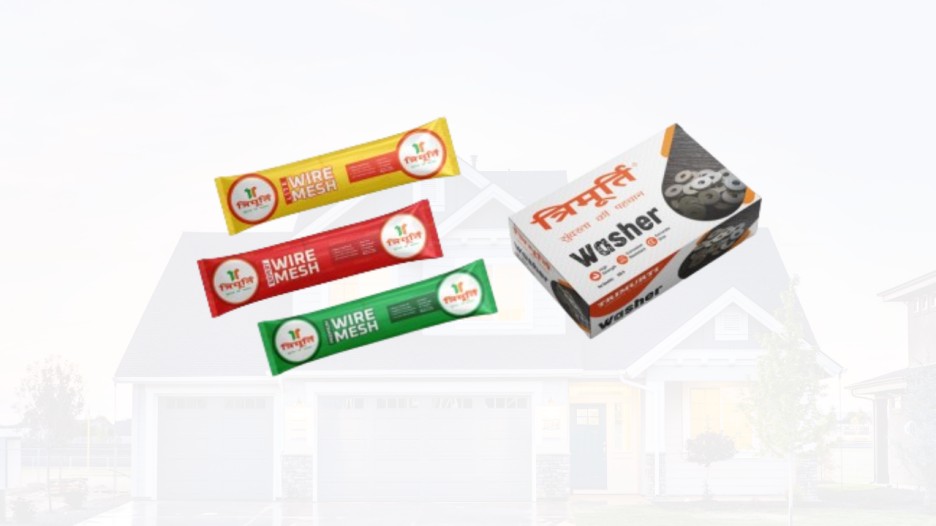
Modern ceiling systems have become an essential part of interior design, offering a perfect balance between aesthetics, comfort, and performance. They enhance lighting, improve insulation, and elevate the overall visual experience of indoor spaces. The use of Trimurti wall care products supports better finishing quality and durability, ensuring that interior surfaces complement advanced ceiling designs effectively.
Within the construction and interior solutions sector, companies like Trimurti Products contribute to delivering reliable materials that help achieve strong, stylish, and long-lasting interior environments.