

Replacing your home’s siding is a major exterior improvement, but the process should not feel confusing. When handled by an experienced professional, siding installation follows a clear path from the first inspection to the final walkthrough. Understanding each step helps homeowners know what to expect, ask better questions, and feel more confident before work begins.
New siding can improve curb appeal, protect the structure from weather, reduce maintenance, and help your home look cleaner and more updated. However, the quality of the result depends on more than the material you choose. Proper planning, preparation, installation, and inspection all play important roles in how well your siding performs over time.
Step 1: The Initial Consultation
The process usually begins with a consultation. During this stage, the contractor learns about your goals, concerns, budget, and timeline. You may be replacing damaged siding, updating an older exterior, preparing to sell your home, or improving long-term protection against moisture and weather.
A good contractor will ask questions such as:
- What problems have you noticed with your current siding?
- Are there areas with moisture, rot, cracking, or warping?
- Do you want a similar look or a completely new exterior style?
- Are you interested in low-maintenance materials?
- Do you have a preferred timeline?
This conversation helps shape the rest of the project. It also gives you a chance to evaluate the contractor’s communication style. A professional should explain options clearly, answer questions directly, and avoid pressuring you into quick decisions.
Step 2: Exterior Inspection and Measurements
After the consultation, the contractor inspects your home’s exterior. This step is important because siding installation is not just about covering walls with new material. The contractor needs to evaluate the condition of the existing siding, trim, corners, windows, doors, soffit, fascia, and underlying surfaces.
They will also measure the exterior to calculate how much material is needed. The size and shape of the home affect the estimate. Homes with multiple stories, dormers, bay windows, porches, or detailed trim may require more labor and finishing work.
During the inspection, the contractor may look for:
- Loose or cracked siding
- Water stains
- Mold or mildew
- Soft or rotted wood
- Gaps around windows and doors
- Damaged trim
- Poor drainage areas
- Signs of pest activity
These findings help determine whether repairs are needed before new siding can be installed.
Step 3: Reviewing the Estimate
Once the inspection is complete, the contractor prepares an estimate. A strong estimate should be detailed enough for you to understand what is included. It should list the siding material, labor, removal of old siding, preparation work, trim details, disposal, warranty information, and expected timeline.
This is also the right time to ask about anything that seems unclear. If one estimate is much lower than another, compare the details carefully. A cheaper price may not include important preparation, repairs, cleanup, or finishing touches.
Homeowners searching for a siding contractor in Essex County NJ should choose a company that explains the full scope of work and provides honest guidance based on the home’s actual condition.
Step 4: Choosing the Right Siding Material
Before installation begins, you will need to choose the siding material, color, profile, and trim style. Popular options include vinyl, fiber cement, engineered wood, natural wood, metal, and composite siding.
Each material has different benefits. Vinyl is often selected for affordability and low maintenance. Fiber cement is known for durability and a clean, upscale appearance. Engineered wood offers a natural look with improved performance. The best choice depends on your home’s style, your budget, and how much maintenance you are willing to handle.
A reliable contractor should explain the pros and cons of each material in simple terms. They should also help you choose colors and finishes that complement your roof, windows, doors, landscaping, and neighborhood style.
Step 5: Preparing the Work Area
Before the crew starts, the work area needs to be prepared. Homeowners may be asked to move outdoor furniture, grills, planters, decorations, or fragile items away from the exterior walls. Vehicles may need to be moved to allow space for materials, tools, and debris removal.
The contractor should explain where materials will be stored, when the crew will arrive, how cleanup will be handled, and what areas of the property will be affected. Clear preparation helps the project run smoothly and reduces the risk of damage to personal items.
Step 6: Removing Old Siding
In many projects, the existing siding is removed before the new material is installed. This allows the contractor to inspect the surface underneath. While removal adds labor, it is often the best way to identify hidden problems.
Once the old siding comes off, the crew may uncover damaged sheathing, moisture issues, or areas that need repair. Addressing these problems before installing new siding is essential. Covering damaged areas without repair can lead to bigger issues later.
Step 7: Repairing and Preparing the Exterior Walls
After removal, the walls must be prepared for new siding. This may involve replacing rotted wood, securing loose areas, installing house wrap, improving flashing, and sealing vulnerable spots around windows and doors.
This step is one of the most important parts of the process. Good preparation helps prevent water intrusion and supports the long-term performance of the siding system. Even the best siding material will not perform well if it is installed over damaged or poorly prepared surfaces.
Step 8: Installing the New Siding
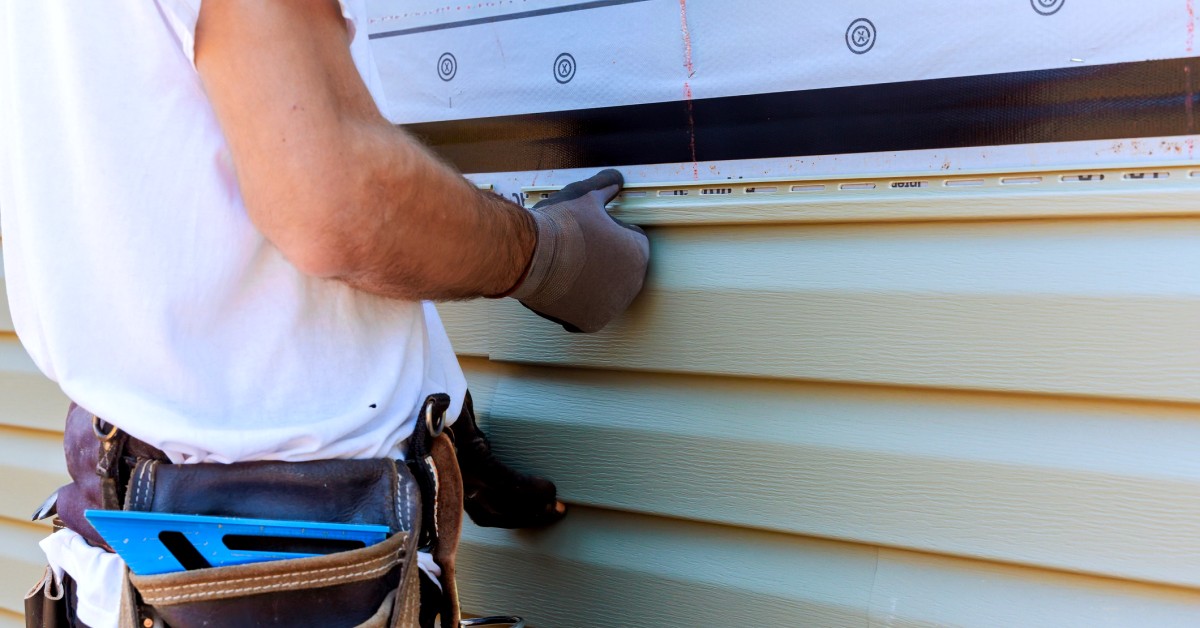
Once the exterior is ready, the crew begins installing the new siding. The exact method depends on the material, but the goal is always the same: clean alignment, secure fastening, proper spacing, and careful finishing around edges and openings.
Professional installation requires attention to detail. Panels must be level, corners must be neat, and trim must fit properly around windows, doors, vents, and rooflines. The crew should also follow manufacturer guidelines to protect warranty coverage.
If you have been searching for a siding installer near me, look for a team that understands both appearance and performance. Siding should look good from the street, but it also needs to protect the home behind the surface.
Step 9: Cleanup and Debris Removal
A professional siding project should include cleanup. Old materials, nails, scraps, packaging, and debris should be removed from the property. The crew should check walkways, landscaping, driveways, and work areas to make sure the home is left neat and safe.
Cleanup is more than a courtesy. It reflects how the contractor manages the entire project. A company that takes pride in the final cleanup is often more likely to take pride in the installation itself.
Step 10: Final Inspection and Walkthrough
The final inspection gives both the contractor and homeowner a chance to review the completed work. During this walkthrough, the contractor should check alignment, trim, corners, seams, caulking, cleanup, and any agreed-upon details.
This is also when you should ask warranty questions and confirm maintenance recommendations. Depending on the siding material, you may need occasional washing, visual inspections, or minor upkeep to keep the exterior looking its best.
Before making final payment, make sure the work matches the agreed scope and that any questions have been answered.
A Smooth Siding Project Starts With the Right Team
The siding installation process includes much more than placing new material on your home. It starts with a careful estimate, continues through inspection and preparation, and ends with a detailed final review. Each step affects how your siding looks, performs, and lasts.
KRR General Contractor helps homeowners navigate exterior upgrades with clear communication, skilled workmanship, and attention to detail. Whether your siding is damaged, outdated, or ready for a full refresh, working with an experienced local team can make the entire process easier from start to finish.