

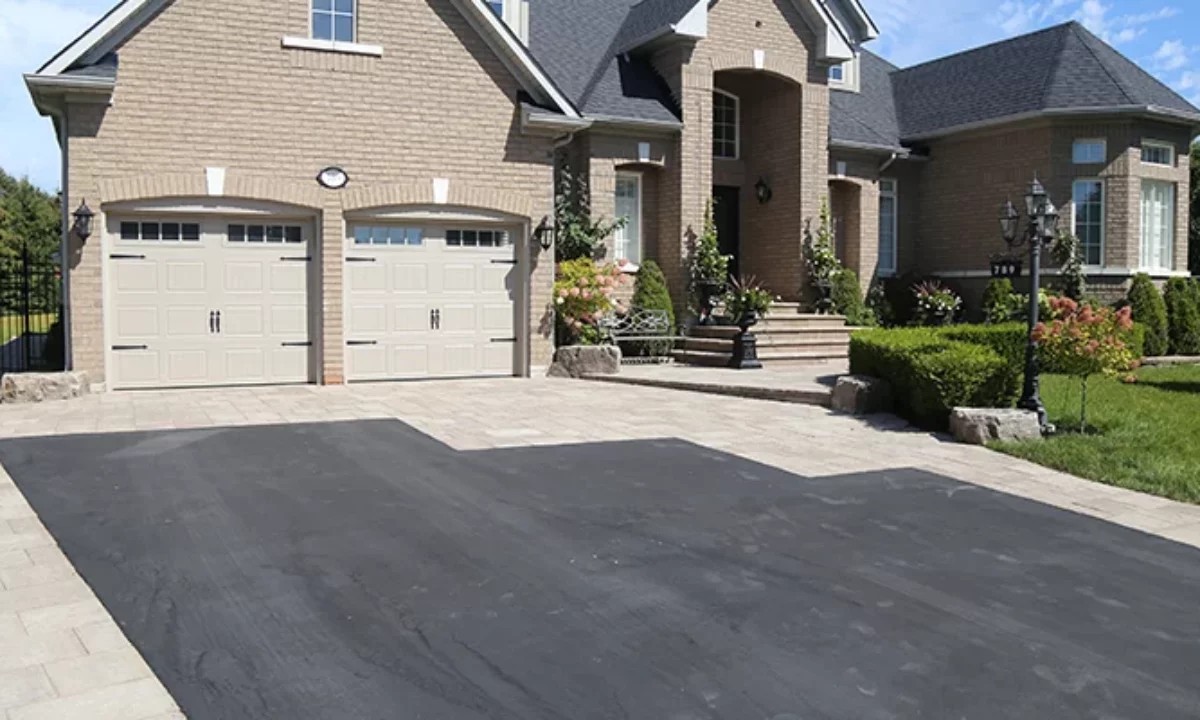
Choosing the right surface matters for any home. The driveway shapes first impressions and daily use. So, the choice affects value and comfort over time. Many homeowners compare asphalt and concrete surfaces. But interlocking systems now offer better long-term performance. Viking Pavers often highlights these benefits for modern homes.
Understanding the Core Differences
Asphalt looks simply and installs quickly. It costs less at first and feels smooth. But heat softens asphalt and causes surface damage. Cracks appear and repairs repeat often. Concrete offers a cleaner and brighter look. It lasts longer than asphalt in many climates. But concrete can crack under stress and weather shifts. Repairs are visible and sometimes expensive to fix. Interlocking systems use interlocking concrete pavers for strength and flexibility. Each unit locks tightly with the next.
Durability That Lasts for Years
Durability matters when replacing your driveway surface. Asphalt wears down faster in heavy use areas. It needs sealing and frequent maintenance cycles. Concrete lasts longer but cracks under pressure changes. Once cracks spread, repairs become complex and costly.
A paver driveway performs differently under stress. The segmented design absorbs movement and weight. So, heavy vehicles cause less damage overall. If one section shifts, only that part needs repair. This saves cost and effort in the long run.
Professional paver contractors ensure proper base preparation and installation. A strong base improves lifespan and stability. This process reduces long term maintenance needs. Viking Pavers often focuses on this foundation quality.
Visual Appeal and Design Flexibility
Appearance plays a key role in property value. Asphalt offers limited color and design options. Concrete allows some variation but remains uniform. Over time, stains and cracks reduce visual appeal. The same materials extend to outdoor areas. paver patios create seamless transitions across spaces. A matching paver walkway enhances flow and usability. Even garden pavers can complement the full outdoor layout. This consistency boosts curb appeal and harmony.
Maintenance and Repair Considerations
Maintenance costs often surprise homeowners later. Asphalt requires sealing and patching regularly. Small cracks grow fast without proper care. Concrete needs cleaning and occasional sealing. But cracks remain difficult to hide. During driveway installation, proper drainage planning improves performance. Water flows through joints and reduces pooling. This feature helps prevent surface damage over time. Viking Pavers often designs systems with this drainage in mind.
Long Term Value and Investment
Initial cost does not reflect total value. Asphalt may seem affordable at first. But repeated repairs increase lifetime expense. Concrete sits in the middle range for cost and durability. Matching outdoor features adds further value. patio pavers and coordinated surfaces create cohesive outdoor spaces. Buyers notice these details and respond positively. This makes the property stand out in competitive markets.
Conclusion
Each material offers unique benefits and limitations. Asphalt suits short term and budget focused needs. Concrete provides moderate durability with a clean look. But interlocking systems outperform both in key areas.