

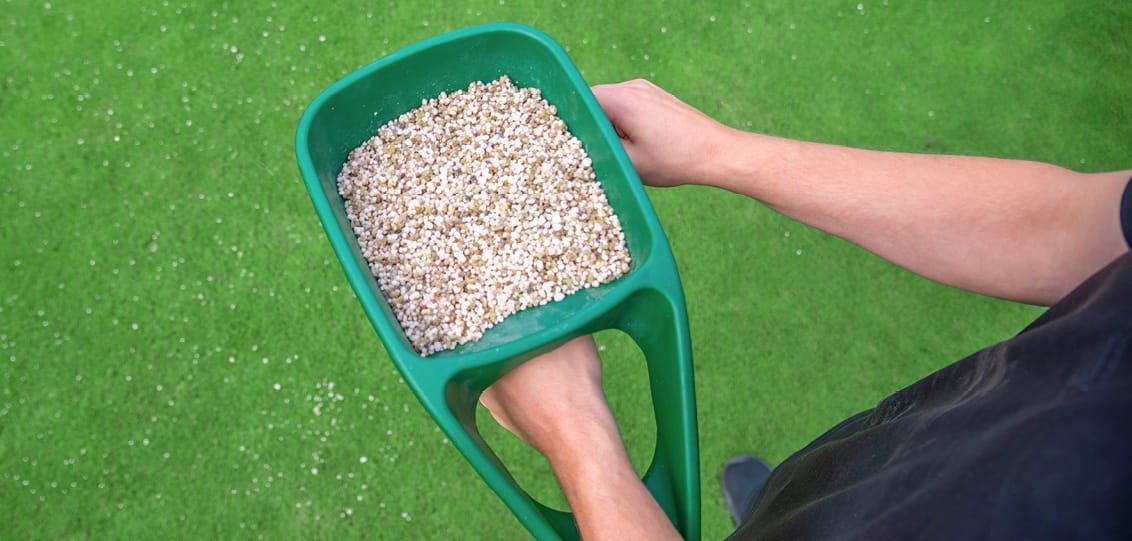
A thick, green lawn doesn’t just appear overnight. It needs time, a bit of know-how, and a feel for what your grass is quietly asking for.
Whether you’re looking after a modest garden or a wide stretch of green, giving your lawn the right feed at the right moment makes all the difference.
This guide won’t bog you down. You’ll find straightforward advice on what to use, when to apply it, and how to keep things thriving season after season.
There’s no fuss or fluff. These are just practical suggestions to help you grow a patch that you’ll be proud to call your own.
Importance of Lawn Fertilisation
Keeping your lawn healthy starts with regular feeding. Grass thrives when it’s looked after responsibly.
Regular lawn cutting, alongside proper feeding, helps it grow thick, resist foot traffic, and cope better with unpredictable weather.
When you give it the right nutrients, you enhance how it looks and help push back against weeds, meaning there’s less need to reach for chemical fixes.
Natural feeding, in particular, does more than benefit the lawn itself. It supports the soil underneath, encourages life below the surface, and makes the whole space feel more alive.
Neglect the essentials, though, and you’ll likely see thinning patches and tired-looking turf, which can take a fair bit of time—and effort—to put right.
Getting to Know Your Fertiliser Options
Before you start, it helps to understand what you’re putting down. Fertilisers come in all sorts, and each one behaves a little differently.
Some are steady and patient, slowly releasing what your lawn needs. Others jump in fast, useful when the grass is struggling and needs a quick lift.
The trick is knowing what your garden’s asking for—and choosing the right response.
Granular feeds are often the go-to. They release nutrients gradually, giving the soil a steady diet that supports deep, lasting growth.
The result? A thick, strong lawn that can hold its own.
On the other hand, when things are looking a bit bleak, liquid fertilisers come in handy. They’re absorbed quickly and perk up tired grass without much delay.
If you’re inclined towards a more environmentally conscious method, consider using materials such as compost or bone meal. These natural amendments do more than supply nutrition—they strengthen the soil beneath by supporting its structure and vitality.
Over time, they help build healthier soil and reduce your need for man-made alternatives. Chemical blends, while efficient, tend to favour speed over sustainability.
What really matters, though, is picking what suits your lawn. Pay close attention to the nutrient content—nitrogen, phosphorus, and potassium all play different roles. Get the balance right, and you’ll see a marked improvement.
If all this feels a bit much, don’t hesitate to ask someone local with the know-how. Garden centres can point you in the right direction.
Many offer full care packages too, combining feeding with mowing plans, height adjustments, and seasonal upkeep.
Timing Your Lawn’s Fertilisation
Determining the correct timing for application plays a critical role in achieving optimal lawn performance.
Cool-season varieties like fescue and ryegrass benefit most from spring and autumn feeding, as these milder conditions encourage deep root development and a vibrant green hue.
In contrast, warm-climate species such as Bermuda and St Augustine respond best to late spring and summer treatments when temperatures are higher.
Understanding your regional climate is therefore essential. In areas with relatively mild winters, additional winter feeding can also prove effective.
Nonetheless, it’s important to monitor seasonal patterns closely. For example, unexpected rainfall or heatwaves will necessitate adjustments to your fertilisation routine.
By aligning your schedule with natural growth phases and weather changes, you’ll maximise nutrient absorption and maintain an attractive, thriving lawn.
Assessing Lawn Health for Nutrient Needs
One of the easiest ways to maintain your lawn is to inspect it regularly. It lets you monitor its health and spot nutrient deficiencies early.
Discolouration, thinning patches, or slow, uneven growth often indicate a missing component.
Using a soil testing kit can help check nutrient and pH levels. These kits are easy to find, and a garden professional can perform a more accurate test.
The results will reveal your soil’s health, making it easier to choose the right treatment for your lawn.
Beyond that, monthly checks can catch minor issues before they become major faults. This proactive approach strengthens and sustains a healthy lawn throughout the year. It also improves treatment planning and fertiliser selection.
Finally, keeping track of your grass’s growth can save you time, effort, and money by avoiding costly repairs.
Applying Fertiliser Effectively
Achieving a flourishing lawn depends not on how constantly you fertilise, but on how skilfully the process is carried out.
Start with a quality spreader to ensure nutrients are distributed evenly across the area. Always read and follow the product instructions carefully to prevent over-application or irregular coverage.
Timing is also essential; apply it right before it rains or plan to water it thereafter to let it soak in.
Don’t apply too much, however, since this can burn the grass and encourage weeds to develop.
Using a criss-cross pattern to spread things out makes them more equal and prevents patches from being overlooked.
Moreover, don’t provide fertilisers while it’s really hot, since this might stress the plants and make it harder for them to take them in.
Pro tip: Check the local regulations again before grabbing that fertiliser bag. They’re not just red tape. Different regions allow different products at different times, and using the wrong one could harm local wildlife or pollute waterways.
Employing Organic Fertilisers the Natural Way
Organic fertilisers offer a slower, more balanced approach to nurturing your grass. They support soil health over time, encourage biodiversity, and reduce the need for synthetic quick fixes.
These natural alternatives are made from once-living materials—things like seaweed, compost, well-rotted manure, fish emulsion, and bone meal.
Because they break down gradually, they feed the grass and build structure in the soil itself. This helps optimise water retention, which means your lawn can stay greener longer without constant watering.
You may even find your garden becomes a haven for earthworms and beneficial fungi, which further enrich the soil and keep the lawn resilient.
Although they take a bit more time to show visible results, organic fertilisers create lasting strength beneath the surface.
With repeated use, they help reduce compaction, improve oxygen flow around the roots, and encourage a deeper root system.
Choosing and Applying Sustainable Lawn Feed
When selecting a biological lawn supplement, it’s wise to look past the packaging and think about its origins and composition.
Single-source products, such as blood meal or rock phosphate, can be helpful for tackling particular nutrient gaps.
That said, they tend to work best when used alongside a more complete, balanced feeding approach.
Blended composts or all-purpose natural fertilisers are often easier to handle and make a sound starting point for those finding their feet.
As with most gardening endeavours, it pays to diversify your investments.
It’s best to apply organic fertiliser during the growing season, ideally in spring or early autumn, when the soil is full of life and the grass is ready to respond.
Water the area beforehand if the soil is dry, and spread evenly to avoid patchy results.
Over time, the impact won’t just be visual. Healthy, microbe-rich soil also gives off a pleasant, earthy scent—one of the simplest signs your garden is thriving from the ground up.
Conclusion
It takes more than just applying fertiliser and hoping for the best to create a brilliant lawn.
It’s part science, part habit, and a touch of quiet pride. Understanding your grass, your climate, and when to give the mower a spin sets the stage.
Look after it as if it were a favourite coat. Give it a gentle brush from time to time, trim where needed, and see to the odd repair when necessary.
Stick with this kind of care, and your lawn will do more than simply grow. It will become the vibrant heart of your garden, season after season.